-
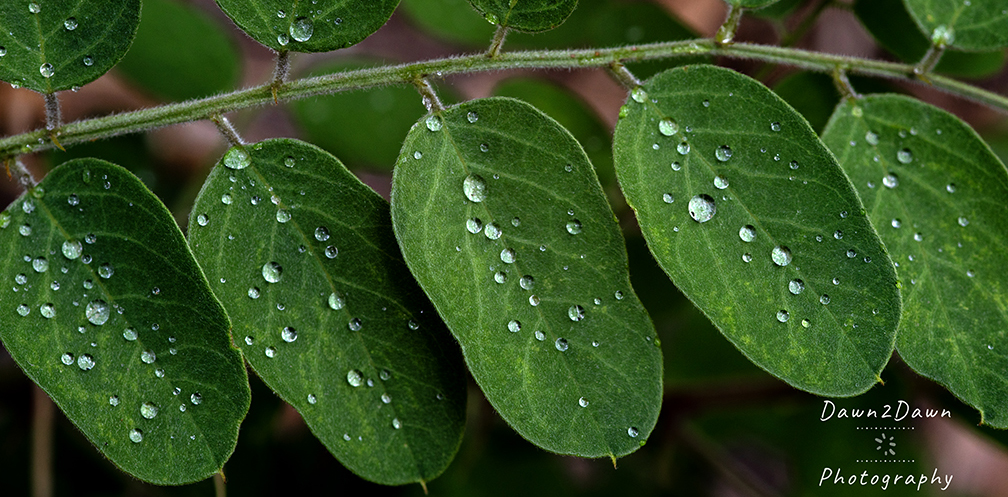
Undamaged Flora From Recent Kaibab National Forest Visit.
Read More: Undamaged Flora From Recent Kaibab National Forest Visit.Even though Kaibab NF sustained heavy damage from last years fires, there still is some life.
-
They’re Back………
Read More: They’re Back………The deadly Gigantic Peruvian Black Lizards are back to torment me. Measuring up to 3 feet long and 50 pounds in weight, these lizards are cousins to Indonesia’s Komodo Dragon. And it follows that once you see Lizards in the Spring, Rattlesnakes are not far behind.
-

The Many Faces Of The Purple Coneflower
Read More: The Many Faces Of The Purple ConeflowerThese grow on my property and are one of may favorite flowers as they’re so photogenic and are also used to produce a popular herbal tea.
-

Everything You Wanted To Know About The Kiwi!
Read More: Everything You Wanted To Know About The Kiwi!Kiwifruit or Kiwi is thought to have been discovered in China and was considered a delicacy among royals. They were known then as Chinese Gooseberry. Seeds from China were introduced to New Zealand in the 1900s and were exported to the United States in the 1950s. Today, the most common variety is the Hayward, grown…
-

What Do High-Color, Closeups, Raindrops and Abstractness Have In Common
Read More: What Do High-Color, Closeups, Raindrops and Abstractness Have In CommonThey are the by-products of a rainy day at the 13th Annual Wildflower Festival at Cedar Breaks National Monument in Southern Utah.
-
Cedar Breaks Flora
Read More: Cedar Breaks FloraCedar Breaks National Monument is a geologic marvel but in July, visitors come for the floral display. At over 10,000 feet in elevation, the seasons arrive later than sooner.
-
The Many Faces Of The Coneflower
Read More: The Many Faces Of The ConeflowerThe Coneflower can take on many shapes and looks. It’s the ultimate shape shifter!
-
Marine Birds
Read More: Marine BirdsSome marine birds spotted along California’s Pacific Ocean Coast.
-
Zion National Park’s Desert Bighorn Sheep
Read More: Zion National Park’s Desert Bighorn SheepZion National Park in Utah is not renowned for its wildlife but one species found here that I find interesting is the Desert Bighorn Sheep. They subsist on the vegetation in the park and prefer the steep rocky slopes. They are a bit sensitive to humans but you can see them on the east side…
